

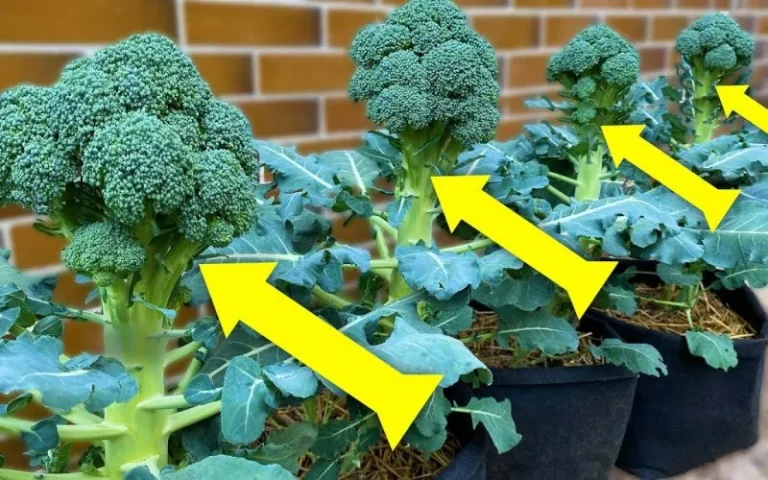
Container Cultivation: Your Guide to Thriving Broccoli
Broccoli, hailed for its health benefits and culinary versatility, isn’t restricted to vast garden spaces. For the urban dweller or someone with a balcony garden, the container is your best friend. Dive into this guide on mastering the art of broccoli cultivation within a pot.
1. Why Opt for Container Gardening?

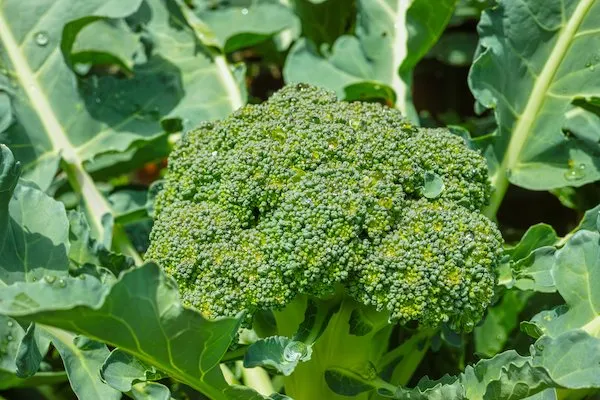
Space Efficient: Perfect for those with spatial constraints, like balconies or small patios.
Flexibility: Easily move your containers to optimize sunlight or shield from harsh conditions.
Soil Mastery: Control your soil’s quality, keeping it pristine from pests and diseases.
2. Picking the Ideal Container
Depth and Diameter: Given broccoli’s extensive root growth, containers should be 12 inches deep and approximately 20 inches wide.
Material Choices: Select from clay, ceramic, plastic, or wooden containers but ensure good drainage.
Drainage Priority: Water stagnation can be a root’s enemy. Always ensure efficient drainage.
3. Variety is the Spice of Life
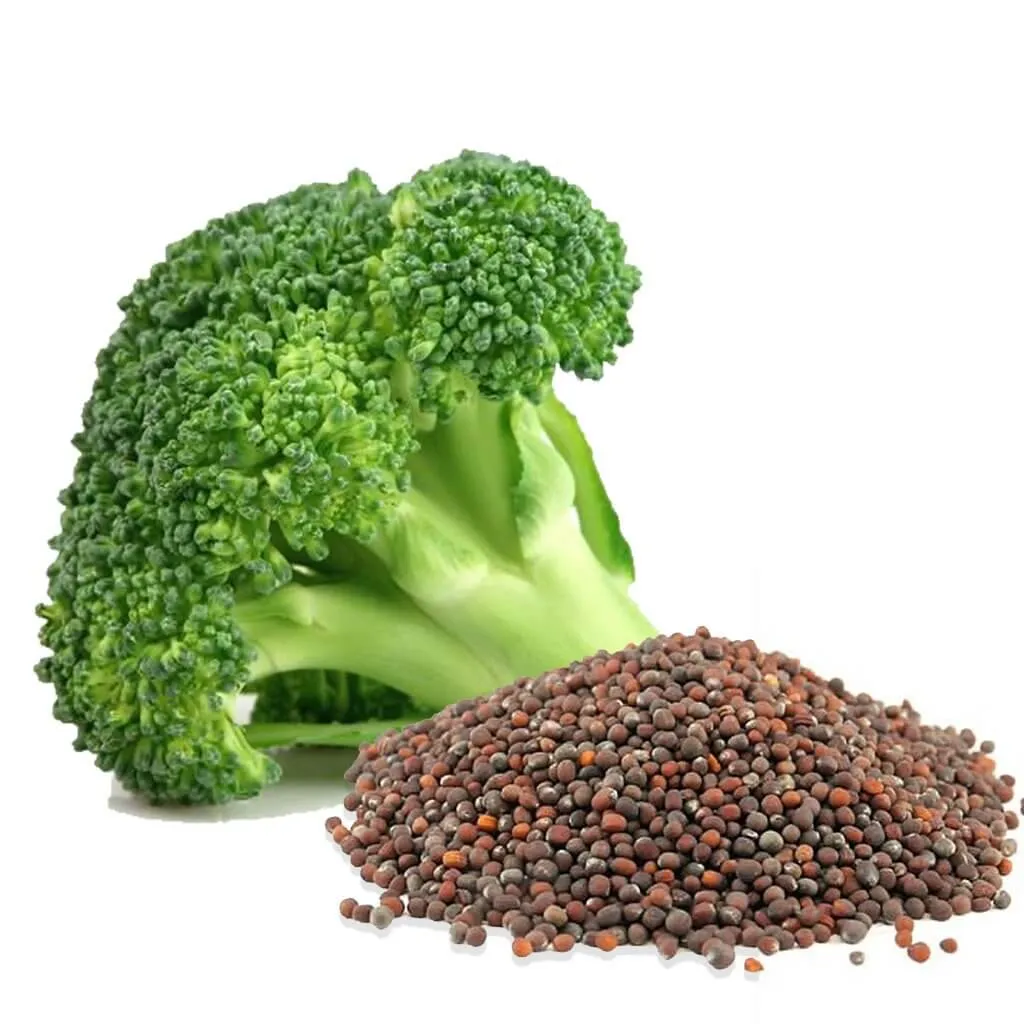
Different broccoli types cater to various palates and pot sizes:
Calabrese Broccoli: Known for a significant central head and subsequent smaller shoots.
Sprouting Broccoli: Offers many small heads, perfect for frequent harvests.
Broccoli Raab (Rapini): Grows speedily, known for its unique taste and smaller florets.
4. Soil Selection
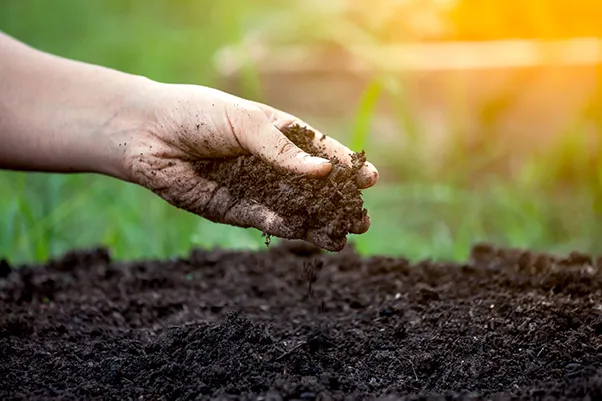
Potting Blend: Invest in a premium potting mix that balances moisture retention and drainage.
Nutrient Boost: Broccoli loves nutrients. Incorporate organic compost or a slow-release fertilizer.
pH Balance: An optimal pH of 6.0 to 7.0 is preferred for broccoli growth.
5. Planting Steps
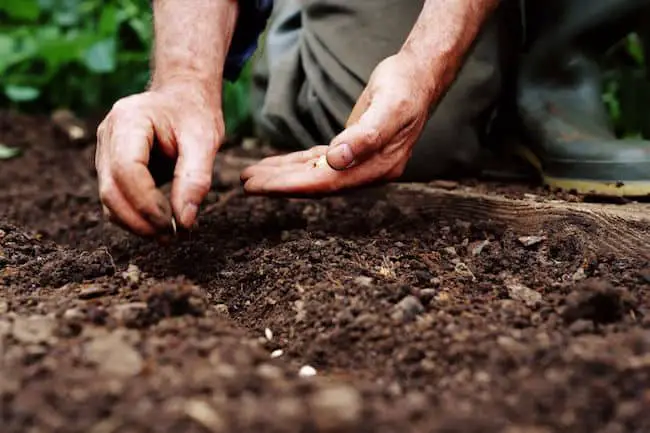
From the Seed: Sow seeds up to ½ inch deep. Once sprouted and displaying two true leaves, thin the seedlings, retaining only the robust ones.
Transplanting: If using seedlings, ensure their planting depth matches their original container.
6. Hydration and Nutrition
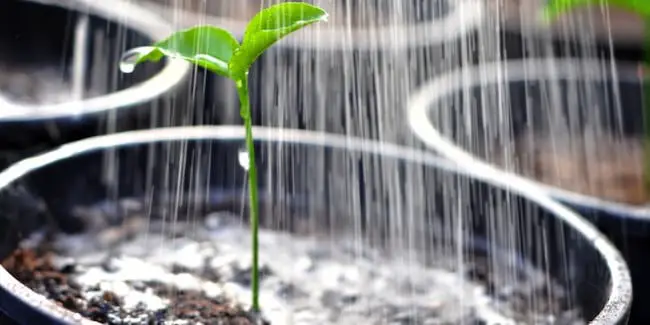
Consistent Moisture: Broccoli needs even moisture. Keep the topsoil layer damp but not soggy.
Nutrient Infusion: About a month post-planting, nourish with a liquid vegetable feed every few weeks.
7. Light and Climate
Sun Requirement: Daily exposure to 6-8 hours of sunlight is ideal. Provide a shade during intense afternoon heat.
Cooler is Better: Broccoli flourishes in temperatures ranging from 65°F to 75°F (18°C to 24°C). Overly hot conditions can cause premature seeding.
8. Beware of Pests and Diseases
Containers can mitigate many threats, but always be on the lookout for:
Cabbage Worms: Small green pests feeding on leaves. Remove manually or use eco-friendly insecticidal solutions.
Aphids: Tiny sap-sucking nuisances. A water spray or neem oil application can help.
Clubroot: A soil-based disease causing root deformities. Prioritize a sterile potting mix.
9. Harvesting Time
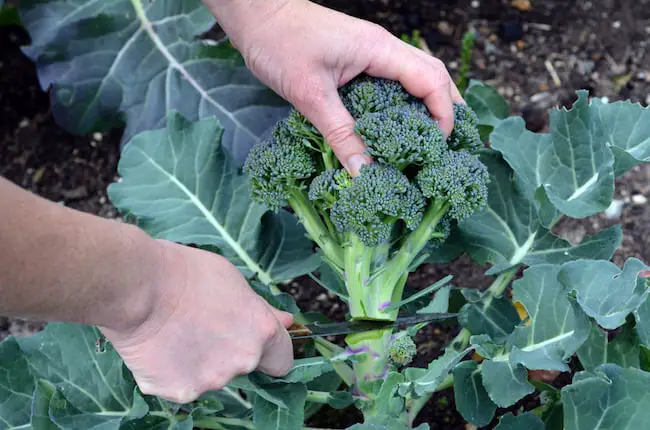
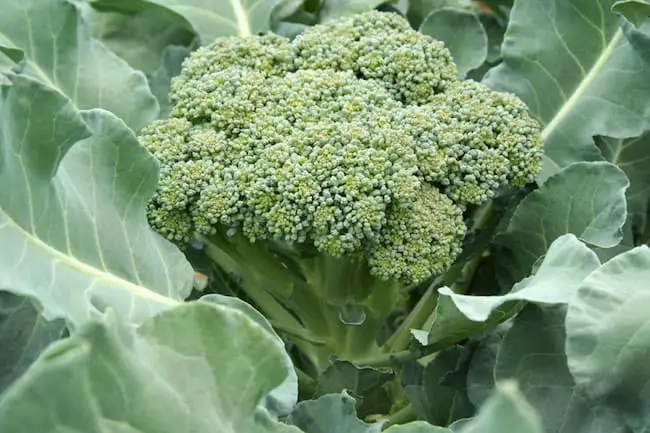
Central Harvest: Cut the main broccoli head when it’s 4 to 7 inches wide, ensuring it’s before any bud yellowing. Angle your cut several inches below the head.
The Smaller Treats: Post the primary harvest, smaller shoots will sprout. Collect them while they’re compact and green.
10. Post-Harvest Care
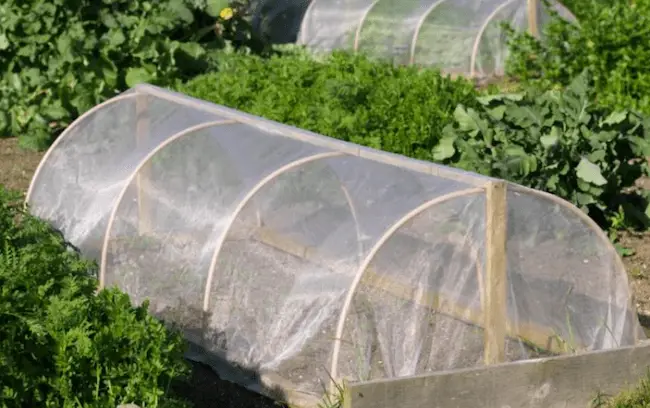
If you’re aiming for continuous harvests or have perennial varieties, safeguard them from frost. Move to sheltered spots or use protective covers.
Ensure consistent watering, and a secondary, albeit minor, harvest might be on the horizon.
Container-based broccoli growth might seem offbeat, but it’s a clear example of gardening adaptability. It’s possible for anyone, irrespective of their living space, to relish the product of their gardening passion. So, arm yourself with a pot and soil, and embark on this green journey!
